
 See Our Latest Article on HelloNation
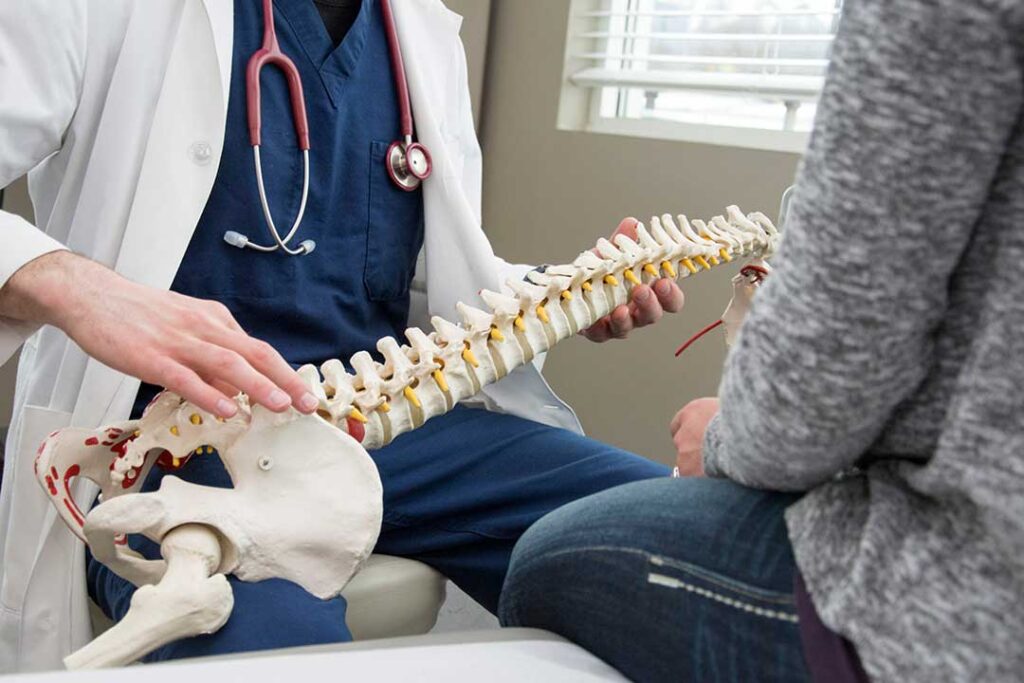
Sports concussions cannot be prevented entirely, but athletes, families, coaches, and sports programs can reduce the number and severity of head impacts. The most effective approach combines safer rules and practice design, properly fitted protective equipment, honest symptom reporting, and a clear plan for responding to suspected injury.
What actually helps prevent a sports concussion?
The strongest prevention strategies focus on reducing opportunities for dangerous head contact rather than relying on equipment alone. A helmet may help protect against skull fractures and other serious head injuries, but no helmet can make an athlete “concussion-proof.” Athletes still need to avoid unnecessary head impacts, even when wearing certified equipment. ([cdc.gov](https://www.cdc.gov/heads-up/safety/index.html?utm_source=openai))
For youth and adult sports programs, practical measures include:
- Enforcing rules against hits to the head, illegal checks, spearing, and dangerous contact.
- Teaching age-appropriate tackling, blocking, checking, landing, and falling techniques.
- Limiting contact drills and full-contact practices when the sport allows it.
- Inspecting playing surfaces, goals, padding, helmets, and other equipment regularly.
- Using spotters for activities involving stunts, elevated positions, or falls.
- Creating a team culture in which reporting symptoms is treated as responsible behavior rather than weakness.
These measures are relevant across local school teams, recreation leagues, club sports, and informal activities. In a coastal community where outdoor sports may continue through changing weather and field conditions, wet grass, poor visibility, uneven surfaces, or reduced traction can add fall risk. Adjusting practice plans after heavy rain, during icy conditions, or when fields are poorly lit can help reduce preventable collisions and falls.
How should helmets and protective equipment be used?
Protective equipment should match the activity, fit the athlete, and be maintained according to the manufacturer’s instructions. A bicycle helmet, for example, is not designed for football, hockey, lacrosse, or horseback riding. Equipment should be age-appropriate, certified for the sport, worn consistently, and replaced after significant damage. ([cdc.gov](https://www.cdc.gov/heads-up/safety/index.html?utm_source=openai))
A useful equipment check includes:
- The helmet sits level and does not rock from side to side.
- Straps or fasteners remain secure during movement.
- Padding is intact and not compressed or missing.
- The equipment has not exceeded its recommended service life.
- The athlete understands that protective gear does not permit reckless contact.
Parents should be cautious about products that claim to prevent all concussions. Such claims overstate what helmets and other protective equipment can do. The goal is risk reduction, not complete elimination of injury. ([cdc.gov](https://www.cdc.gov/heads-up/prevention/?utm_source=openai))
What can athletes do during practice and competition?
Athletes can lower risk by learning the rules and avoiding techniques that place the head in a vulnerable position. In contact sports, this may include keeping the head up, using the body rather than the top of the head during contact, and following coached techniques for tackling or checking. In soccer, basketball, volleyball, softball, and cheerleading, risk may arise from collisions, falls, contact with equipment, or poorly controlled landings.
Athletes should also report:
- A hit to the head or body followed by dizziness, confusion, headache, nausea, balance problems, or unusual behavior.
- Feeling “foggy,” slowed down, or unable to remember what happened.
- A loss of consciousness, even if it lasted only briefly.
- Symptoms that appear later rather than immediately.
A concussion does not always involve loss of consciousness. Symptoms may be subtle, and an athlete may not recognize or admit that something is wrong. Teammates are often among the first people to notice that someone is acting differently, repeating questions, moving unsteadily, or struggling to follow instructions.
Why do rules, coaching, and practice limits matter?
A safety policy is only useful if it is enforced during ordinary practices, not just during games. The CDC recommends that sports programs educate coaches, officials, parents, and athletes; limit contact practices where appropriate; enforce fair-play rules; and prohibit actions such as using the head to tackle or intentionally hitting another athlete in the head. ([cdc.gov](https://www.cdc.gov/heads-up/prevention/?utm_source=openai))
Parents can ask whether a program has:
- A written concussion policy.
- A process for removing an athlete from play after a suspected concussion.
- Trained coaches, athletic trainers, or designated responders.
- Emergency contact information and an emergency action plan.
- Procedures for communication among the family, team, school, and healthcare personnel.
- A gradual return-to-play process.
For younger athletes, adults should avoid normalizing phrases such as “shake it off” or “play through it.” Praise for reporting symptoms can make it more likely that an athlete will speak up before a manageable injury becomes more complicated.
Can strength training or chiropractic care prevent concussions?
General conditioning can improve balance, coordination, movement control, and sport technique, but it cannot guarantee protection from a concussion. Neck exercises and physical preparation should be appropriate for the athlete’s age, sport, and medical history. They should not be presented as a substitute for rule enforcement, skill instruction, or protective equipment.
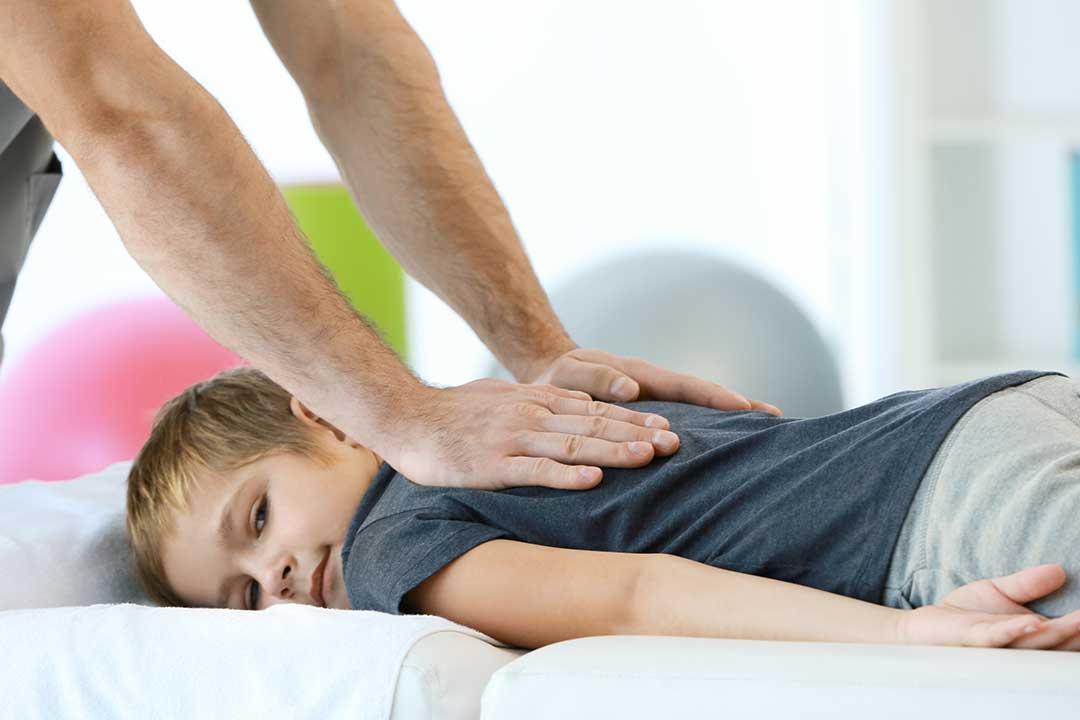
Chiropractic care may address certain musculoskeletal concerns, such as neck or back discomfort, mobility, or movement-related issues, but it should not be described as a way to prevent all concussions or as a replacement for concussion evaluation. A suspected concussion requires appropriate medical assessment. Return to sports should occur only with approval and supervision from a qualified healthcare provider, following a gradual progression. ([cdc.gov](https://www.cdc.gov/heads-up/guidelines/index.html?utm_source=openai))
What should happen after a possible concussion?
An athlete with a suspected concussion should be removed from play immediately and should not return the same day unless cleared under the applicable medical and sports-safety process. Continuing to play can increase the risk of another injury and may make symptoms harder to monitor.
Seek urgent medical attention for emergency warning signs such as:
- Repeated vomiting.
- A worsening or severe headache.
- Increasing confusion, agitation, unusual behavior, or difficulty waking.
- Slurred speech, weakness, numbness, or poor coordination.
- A seizure.
- One pupil appearing larger than the other.
- Loss of consciousness or symptoms that rapidly worsen.
For non-emergency symptoms, the athlete should be evaluated by an appropriate healthcare provider. Returning to sports is not a single decision made after symptoms briefly improve. The CDC’s six-step progression begins with light aerobic activity and advances gradually, with each step generally taking at least 24 hours. If symptoms return, activity should stop and the athlete should step back to the previous level after further recovery. ([cdc.gov](https://www.cdc.gov/heads-up/guidelines/returning-to-sports.html?utm_source=openai))
How can families prepare before sports season?
Before registration or the first practice, families can review the sport’s concussion policy, emergency contacts, equipment requirements, and return-to-play procedures. Athletes should know that symptoms can involve thinking, mood, sleep, balance, vision, and physical comfort—not only headache.
A simple preseason conversation can cover three questions:
- What symptoms should be reported?
- Who removes the athlete from play?
- Who provides clearance before sports resume?
That preparation is especially useful for households managing school schedules, practices, games, and transportation across changing weather conditions. Prevention works best when athletes, families, coaches, officials, and healthcare providers follow the same expectations before an injury occurs.
