
 See Our Latest Article on HelloNation

What Is Chiropractic Care?
Chiropractic care addresses issues of the musculoskeletal system, especially the spine, using manual techniques and movement-based therapies. Many people associate chiropractors with spinal adjustments, but the field also includes guidance on posture, exercise, and lifestyle adjustments. Unlike medication-focused approaches, chiropractic methods typically aim to help the body function optimally, supporting natural recovery from pain and discomfort.
How Does Chiropractic Care Help Manage Pain?
Chiropractic care can be effective for managing a variety of pain conditions, most commonly those involving the back, neck, joints, and nerves. Spinal adjustments and related therapies work to restore mobility, reduce nerve irritation, and improve physical function. Residents in Oyster Bay who experience pain from everyday activities—whether from gardening, long commutes, or recreational sports—often seek these methods as part of a wider pain management strategy.
Local residents sometimes wonder if these methods just “crack” backs for temporary relief. In fact, spinal adjustments focus on improving joint alignment and movement, often alleviating tension that can contribute to persistent aches. These changes may promote better nerve function and support the body’s own ability to manage pain.
What Types of Pain Might Benefit from Chiropractic Approaches?
Many people explore chiropractic care for issues such as:
- Lower back pain—common among area households due to yard work or extended time behind a desk.
- Neck pain, often reported by those who work remotely or spend extended time on computers.
- Joint pain in shoulders, knees, or hips, sometimes aggravated by outdoor activities at local parks or sports clubs.
- Muscular tension or headaches, especially in high-stress periods typical during Oyster Bay’s colder months.
For acute injuries, such as those from a fall on ice during winter, or pain following repetitive activities like raking leaves, gentle manual therapy and guided stretching may help reduce discomfort and restore function. Chronic pain from conditions like arthritis may also be eased by improving joint mobility and supporting overall movement.
Are There Risks or Limitations to Chiropractic Care?
While many people find relief through chiropractic care, not every pain condition is suited for these methods. Individuals with certain medical diagnoses—such as complex fractures, severe osteoporosis, or some neurological disorders—should discuss all options with their primary care provider.
Most mild, moderate, or chronic musculoskeletal pain cases can be managed conservatively, but chiropractic adjustments are not a substitute for medical attention in emergencies or conditions requiring surgery or imaging for diagnosis. In Oyster Bay, like elsewhere, care plans may be personalized to take into account any local allergies, sensitivities, or health considerations.
Side effects following chiropractic adjustments are generally mild and short-lived, such as brief soreness or stiffness. Rarely, individuals may experience headaches or fatigue. Proper communication with the practitioner—especially about existing health issues or medications—can help minimize risks.
What Should Local Residents Expect During a Chiropractic Visit?
A first visit typically involves a detailed interview about symptoms, health history, and activity patterns. Since residents of Oyster Bay may have unique needs due to seasonal activities or local occupational trends, practitioners often ask about daily movement, sports, or home ergonomics. Physical examination may include posture checks, movement tests, and gentle palpation of painful areas.
For pain management, practitioners often use a combination of:
- Spinal adjustments using hands or small instruments
- Soft-tissue techniques to address muscular tightness
- Exercises or stretches to support recovery at home
- Guidance about posture during common local tasks such as snow shoveling or garden maintenance
Education is a key component, helping area residents understand their bodies and adopt habits that prevent further injury.
How Does Chiropractic Care Fit with Other Pain Management Approaches?
For many households in the community, pain relief is not a one-size-fits-all process. Chiropractic care can work in coordination with other therapies such as physical therapy, massage, or conventional medical treatments.
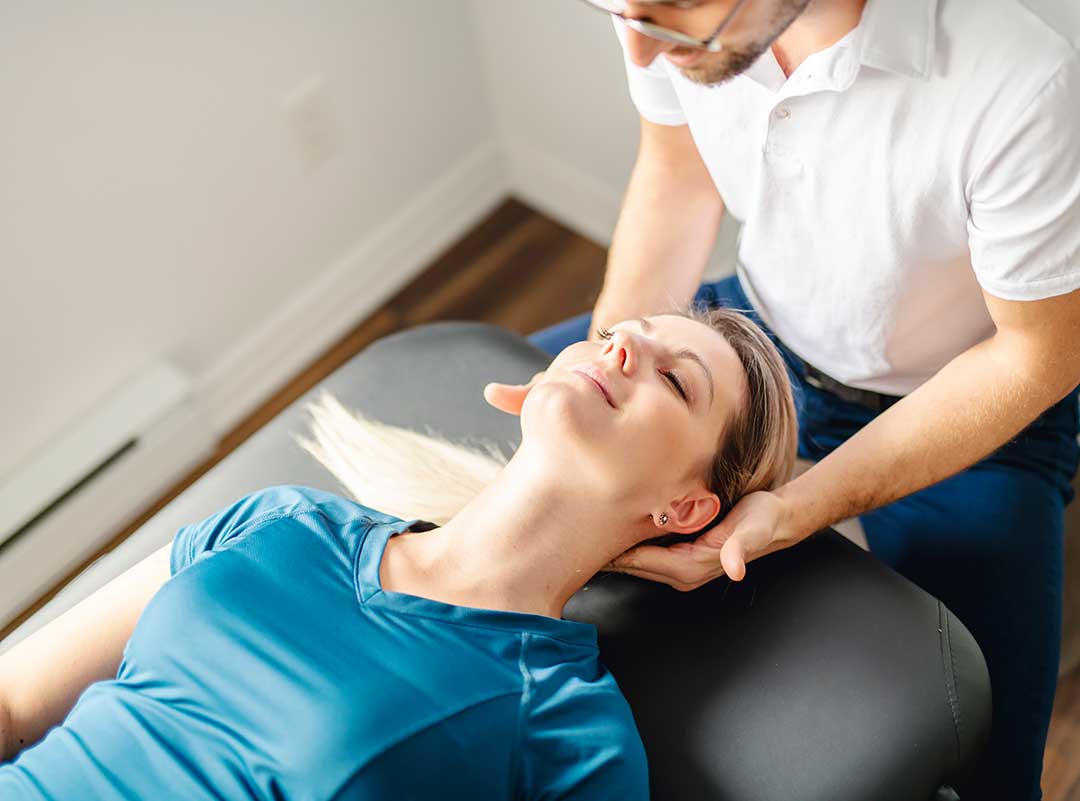
Residents often alternate between chiropractic sessions and other conservative care, based on what works best for their lifestyle and specific pain complaint. Open communication with all health care providers is essential to create a plan tailored to individual needs and activity levels, especially for those who participate in local recreational events or manage physical demands in their homes.
Are There Common Misconceptions About Chiropractic Pain Relief?
Several misunderstandings can affect residents’ decisions about chiropractic care:
- Believing it is suitable only for back pain, when it can help various joint, muscle, and nerve issues.
- Expecting instant results, whereas many cases require consistent sessions and participation in lifestyle adjustments.
- Assuming chiropractic care cannot cooperate with standard medicine; in reality, it is often integrated within broader care strategies.
- Worrying it is unsafe, though research shows most techniques are gentle and low risk when administered by qualified practitioners.
When Is Chiropractic Care Most Useful for Residents?
Those experiencing mild to moderate musculoskeletal pain, recurring aches, or restricted mobility often see the greatest benefits. For many living in Oyster Bay, chiropractic care is considered when:
- Persistent pain is not resolving with rest or self-care
- Discomfort limits participation in local events or family routines
- Seasonal changes, like winter slips or summer gardening, trigger new or recurring pain episodes
- Preventative strategies are needed to support long-term mobility as residents age
Ultimately, the goal of chiropractic care is to help community members manage pain, move more comfortably, and engage fully in daily life throughout all seasons.
