
 See Our Latest Article on HelloNation
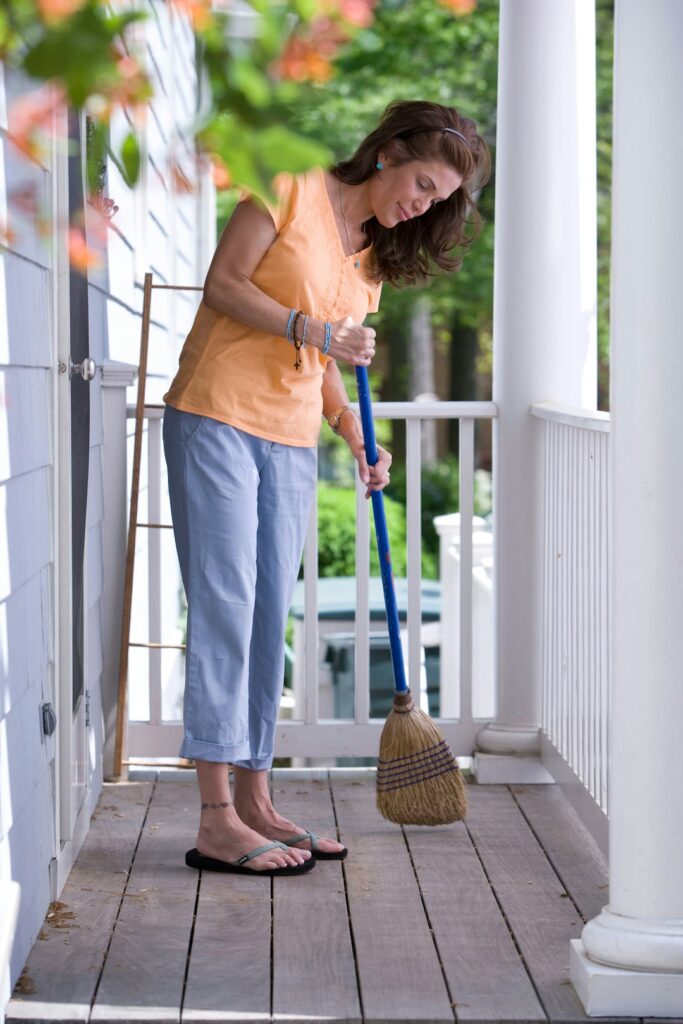
Daily household tasks rarely feel dangerous, yet repeated bending, lifting, reaching, pushing, and twisting can place significant stress on the spine. In Oyster Bay, NY, seasonal chores such as clearing leaves, moving outdoor furniture, shoveling, carrying laundry, and preparing homes for changing weather can add to that strain.
Spine protection is less about avoiding movement and more about using better positions, reducing unnecessary load, and changing tasks before fatigue affects coordination.
Which daily chores place the most stress on the spine?
Chores become more demanding when they combine weight, repetition, awkward posture, or twisting. A light object can still cause discomfort if it is lifted repeatedly or held far from the body.
Common examples include:
- Lifting laundry baskets, storage bins, or bags of household waste
- Vacuuming or mopping with a long reach or bent posture
- Removing items from low cabinets or deep shelves
- Making beds, especially when reaching across the mattress
- Raking leaves, shoveling, or moving wet outdoor debris
- Carrying groceries or supplies up steps
- Cleaning windows, tubs, floors, or other low surfaces
- Moving patio furniture, planters, or seasonal decorations
The risk is not determined by weight alone. Frequency, distance from the body, footing, grip, height of the lift, and whether the back is twisted all influence the physical demand.
How should a person lift household objects?
A safer lift begins before the object leaves the floor. Check the path, estimate the load, and decide whether the item can be divided into smaller portions.
Use these basic steps:
- Stand close to the object with feet positioned for balance.
- Keep the object centered between the feet when possible.
- Bend through the hips and knees rather than folding sharply at the waist.
- Tighten the abdominal muscles gently without holding the breath.
- Grip the object securely and lift in a controlled motion.
- Keep the load close to the torso.
- Turn by moving the feet instead of twisting the spine.
- Lower the object with the same control used to lift it.
There is no single “safe weight” that applies to every person or situation. A box that feels manageable from waist height may be difficult to lift from the floor, carry up stairs, or move repeatedly.
If an object is bulky, unstable, difficult to grip, or blocks vision, reducing the load or using a cart may be safer than relying on lifting technique alone.
Is bending at the waist always harmful?
No. Bending is a normal movement, and occasional bending does not automatically injure the spine. Problems are more likely when bending is combined with load, repetition, sudden movement, or twisting.
For tasks performed near the floor, such as loading a washing machine or cleaning a low surface, try to:
- Bring the item closer before lifting.
- Use a half-kneeling position or squat when practical.
- Place one hand on a stable surface for support if balance is limited.
- Alternate sides instead of always reaching in the same direction.
- Stand and change position regularly rather than staying folded forward.
The goal is not to keep the back perfectly straight at all times. The goal is to avoid prolonged, strained positions and to distribute movement through the hips, knees, shoulders, and spine.
What is a safer way to vacuum, mop, or sweep?
Cleaning tools can encourage repeated reaching and rotation. A handle that is too short often causes forward bending, while a long reach can pull the trunk into an awkward angle.
Keep the tool close to the body and use shorter strokes. Walk with the cleaning motion instead of repeatedly reaching from one fixed position. Face the area being cleaned and reposition the feet before changing direction.
For mopping or sweeping:
- Use a handle that allows a mostly upright posture.
- Keep both hands at comfortable heights.
- Avoid snapping the tool from side to side.
- Shift body weight through the legs rather than rotating forcefully through the lower back.
- Take brief pauses before fatigue leads to slouching or overreaching.

Vacuuming stairs requires extra care because footing may be uneven and the hose or machine can pull unexpectedly. Keep one hand available for balance when appropriate, and avoid carrying a heavy machine while reaching across several steps.
How can seasonal outdoor chores be made easier on the back?
Outdoor work often combines repetitive movement with uneven ground. Wet leaves, compacted soil, snow, and damp materials are heavier than they appear. Cold weather may also make muscles feel less flexible at the start of a task.
Before beginning, walk through the area and remove obstacles that could cause a slip or sudden change in direction. Wear shoes with dependable traction. Begin with several easy movements, such as walking and gently moving the shoulders and hips, rather than immediately starting with heavy lifting.
For raking, use short strokes and change hand position periodically. Avoid pulling from only one side for long periods. For shoveling, push material when possible, use smaller loads, and keep the shovel close to the body. Lift with the legs and avoid throwing material with a twisting motion.
Break large outdoor projects into sections. Several shorter work periods are generally easier on the spine than one prolonged effort performed while tired.
What should be done when carrying laundry or groceries?
Carrying is safer when the load is balanced and close to the body. Instead of filling one large basket or carrying several bags on one side, divide the load between smaller containers when possible.
Use both hands for bulky objects. Keep the shoulders level, maintain a clear view of the walking path, and avoid leaning away from the load. On stairs, make smaller trips rather than carrying a heavy or unstable object that prevents a secure handhold.
A backpack-style load may distribute weight more evenly than a single heavy bag, but it should remain light enough to carry without leaning forward or backward.
How often should chores be interrupted?
Pain and fatigue are signals to change the task, not challenges to push through. Switching between standing, walking, reaching, and lighter activities can reduce repeated stress on the same tissues.
A practical approach is to divide chores into short blocks:
- Lift and carry several items, then perform a non-lifting task.
- Alternate sweeping with organizing or folding.
- Change the leading hand during repetitive work.
- Stand upright and walk briefly after extended bending.
- Stop before grip strength, balance, or coordination noticeably declines.
Muscle soreness that improves with rest is different from sharp pain, increasing numbness, or pain that travels into an arm or leg.
When does back pain require prompt medical attention?
Seek urgent medical evaluation for back pain accompanied by new loss of bladder or bowel control, numbness around the groin, significant leg weakness, fainting, fever, unexplained weight loss, or pain following a major fall or collision.
A medical assessment is also appropriate when pain persists, repeatedly returns, interferes with sleep or walking, or causes numbness, tingling, or weakness. These symptoms should not be assumed to result from a simple muscle strain.
Protecting the spine during chores means planning the task, keeping loads manageable, using the legs and hips, avoiding combined lifting and twisting, and taking breaks before fatigue changes movement quality. The same principles apply whether the task is inside the home, on a staircase, or outside during seasonal maintenance.
