
 See Our Latest Article on HelloNation
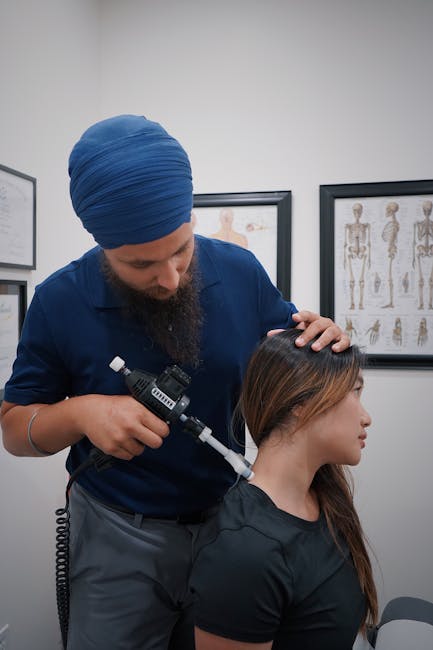
If you’ve ever noticed a clicking or popping sound in your neck, you’re not alone. Many people in Oyster Bay, NY and beyond experience this sensation, often leading to questions about its cause and whether it’s something to be concerned about. Life on the North Shore can be demanding, with residents balancing active lifestyles, long commutes, and hours spent at computers or enjoying coastal leisure activities. These routines can contribute to neck issues, but what exactly causes the clicking sound?
What Does Neck Clicking Sound Like?
Neck clicking, sometimes called "crepitus," refers to any popping, grinding, or crackling sound that comes from your neck when you move it. This sound may occur:
- When you turn your head from side to side
- While looking up or down
- During stretching or chiropractic adjustments
The sensation can be accompanied by discomfort, tightness, or even a sense of relief, especially if your neck was feeling stiff beforehand.
Common Causes of Neck Clicking
Neck clicking is usually benign, but understanding its causes is crucial, especially for those involved in Oyster Bay’s active community. Here are the primary reasons you might hear or feel that noise:
*1. Joint Cavitation*
The most common cause is harmless—tiny bubbles of gas in the synovial fluid (the lubricant in your joints) are rapidly released during movement. This process, called cavitation, is the same reason your knuckles might pop when you crack them.
*2. Ligament or Tendon Movement*
Ligaments and tendons in your neck can move slightly out of place and snap back during motion, producing a clicking or snapping sound. This is especially prevalent among people who spend hours at a desk, as seen among many professionals and students in Oyster Bay.
*3. Wear and Tear (Arthritis)*
As we age, our joints naturally undergo wear and tear. Osteoarthritis, or cervical spondylosis, results in rough joint surfaces that can cause popping or grinding noises. This is seen more often in older adults, but Oyster Bay’s tennis players, golfers, and outdoor enthusiasts may notice similar noises from overuse or repetitive motion.
*4. Previous Injuries*
Old injuries, such as whiplash from past car accidents on Northern Boulevard or sports injuries from activities along the bay, can alter how the joints move, sometimes leading to persistent clicking.
*5. Disc Degeneration*
The cushioning discs between our neck vertebrae can wear down, causing the bones to come into closer contact and potentially create a clicking or grinding sound when you move.
When Is Neck Clicking a Cause for Concern?
For most Oyster Bay residents, an occasional neck click isn’t dangerous. However, if your neck clicking is accompanied by any of the following, it may indicate a more severe issue:
- Pain or swelling
- Decreased range of motion
- Numbness or tingling in hands or arms
- Recent trauma or accident
- Consistent or worsening symptoms
If you notice these warning signs, especially after a slip on icy sidewalks during Oyster Bay’s winter months or a summer boating accident, it’s important to seek evaluation from a healthcare professional.
How Local Lifestyle Contributes to Neck Clicking
Oyster Bay offers a unique blend of activities and lifestyles that can put strain on the neck:
- Commuting: Many residents commute to Manhattan or other areas, often spending significant time behind the wheel or hunched over devices during public transportation. Poor posture during these times can contribute to tightness and eventual clicking.
- Outdoor Activities: Kayaking, fishing, sailing, or playing golf are popular pastimes. These activities involve repetitive neck and upper body motions that, over time, can lead to popping sounds.
- Screen Time: Whether working remotely from home or catching up with friends at local coffee shops, prolonged screen use can contribute to "tech neck"—poor posture and neck strain associated with looking down at devices.
Preventing and Managing Neck Clicking
If you want to minimize neck clicking or prevent it from becoming a problem, here are a few tips relevant to life in Nassau County:
- Practice Good Posture: Be mindful of how you sit, especially if you work at a desk or drive frequently. Use ergonomic chairs and adjust your screen to eye level.
- Stay Active and Stretch: Incorporate gentle neck and upper body stretches throughout your day—great after a stroll through Theodore Roosevelt Memorial Park or before hitting the Oyster Bay Golf Course.
- Take Breaks: Regularly break up periods of sitting or device use, even if it's just standing and moving around for a few moments.
- Strengthen Neck Muscles: Simple exercises advised by a chiropractor or physical therapist can build neck strength, reducing the likelihood of future problems.
- Stay Hydrated: Healthy discs and joint fluids depend on good hydration—perfect motivation to keep a water bottle handy while exploring Oyster Bay’s beautiful scenery.
When to See a Chiropractor
If neck clicking is accompanied by discomfort, pain, or other concerning symptoms, consider consulting a chiropractor or healthcare provider for a proper evaluation. They can help determine the cause and develop a plan for relief catered to your lifestyle in Oyster Bay.
Conclusion
Neck clicking can be a normal part of movement and is often nothing to worry about. However, understanding the causes can help you make informed decisions for your health, especially in an active community like Oyster Bay. Pay attention to your body, maintain good habits, and don’t hesitate to seek professional advice if something feels off. Remember, taking care of your neck means more time to enjoy all the beauty and activities that Oyster Bay, NY has to offer.
